From Capacity Development to Field Implementation: Eco-friendly Community-Based Mangrove Crab and Blue Mussel Aquaculture in Prey Nob, Cambodia.
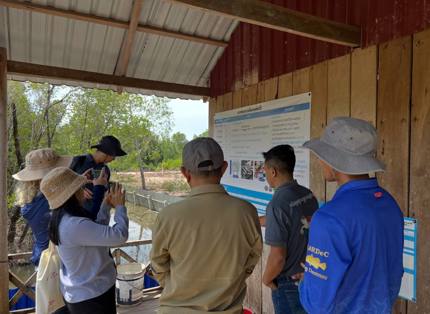
Under the GEF/UNEP-supported project Building Resilience of Cambodian Communities Using Natural Infrastructure and Promoting Diversified Livelihoods (NI Cambodia), coastal communities are turning knowledge into action—transforming capacity building into tangible, climate-resilient livelihoods.
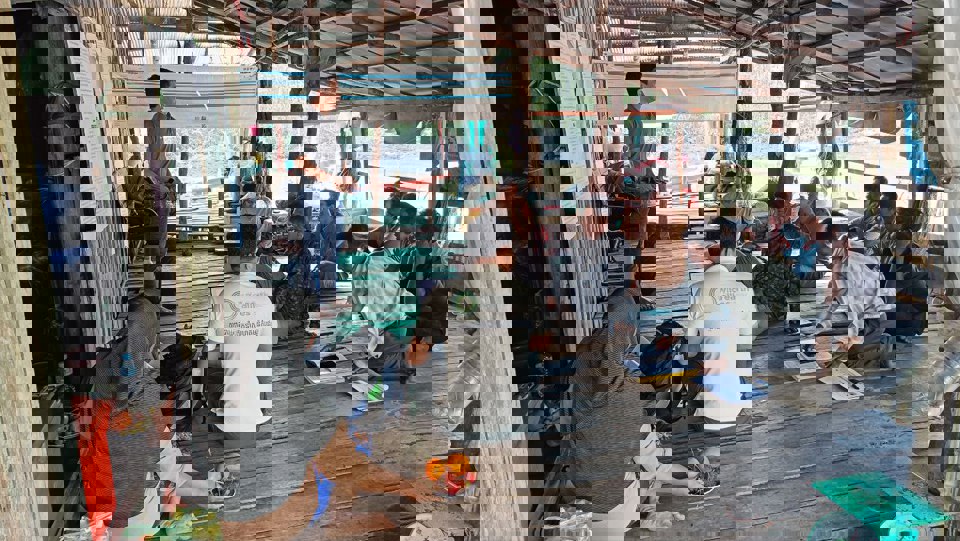
In November 2025, community fishery members from Kampot, Kep, and Preah Sihanouk provinces (Prey Nob District) participated in a two-day training on eco-friendly mangrove crab and blue mussel culture. Implemented by the Ministry of Environment, with technical support from Wild Earth Allies (WEA) and the Marine Aquaculture Research and Development Center (MARDeC), the training strengthened both scientific understanding and practical skills for sustainable small-scale aquaculture. Participants gained knowledge on species biology, water-quality monitoring, farm management, and cooperative farming models, alongside group governance and basic business planning to support long-term livelihood sustainability.
Building on this capacity development, the NI Cambodia project subsequently collaborated with WEA and four selected Community Fisheries (CFis) in Prey Nob District, Preah Sihanouk Province—Prey Nob 2, Chralong, Boeng Raing, and Bek Krang—to translate learning into practice. Community members collectively organized mangrove crab and blue mussel farming groups, defined roles, responsibilities, and benefit-sharing mechanisms, and selected suitable farming sites in alignment with mangrove conservation principles.
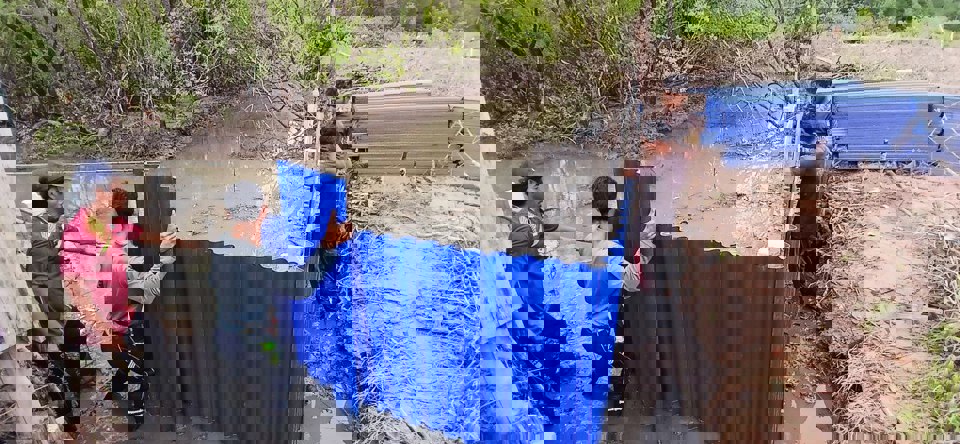
With continued technical guidance, communities began installing farming infrastructure, including cages and basic monitoring equipment. This marked a critical transition from training to on-the-ground implementation, demonstrating strong community ownership and readiness to pilot eco-friendly aquaculture as a diversified livelihood option that supports both income generation and ecosystem protection.
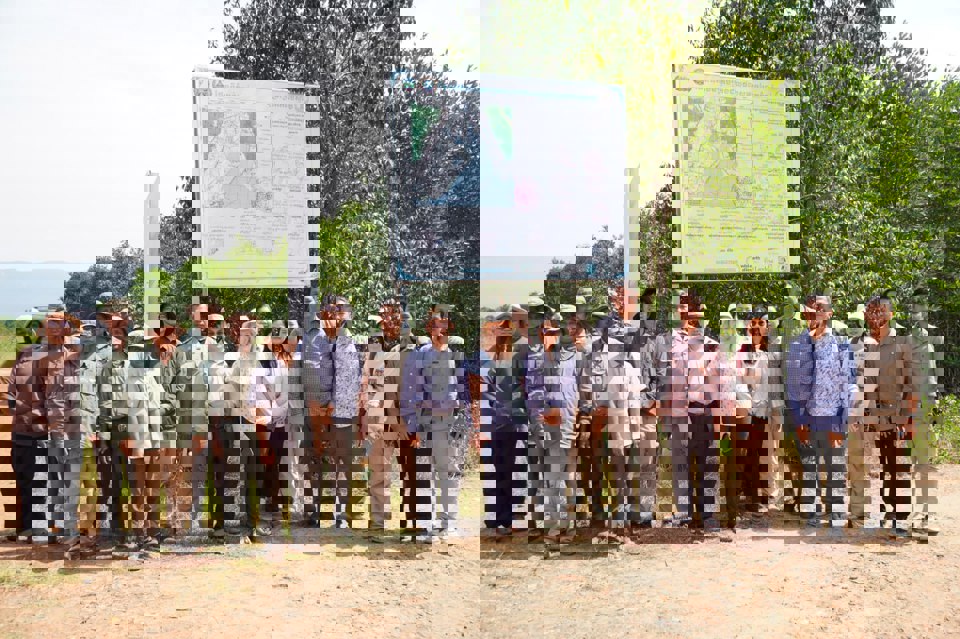
On 22 January 2026, the NI Cambodia Project Steering Group, the UNEP Task Manager, and WEA conducted a field visit to the implementation sites in Prey Nob District to review site conditions, assess the readiness of the farming infrastructure, and engage directly with community members. The visit included discussions with farming groups and a symbolic release of mangrove crab juveniles into the newly established farm, highlighting the shared commitment of communities, national and local authorities, and project partners to sustainable, nature-based livelihoods.