Voices of Coastal Communities Insights on Communication, Livelihoods, and Resilience
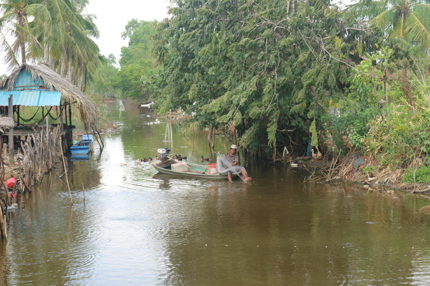
Under the hot sun of Prey Nob District, Preah Sihanouk Province, the sound of fishing boats filled the air along the coast. For generations, the mangroves have protected villages from storms and provided food sources like crabs and fish. However, things are changing. Saltwater flooded rice fields, storms grew stronger, and communities increasingly relied on natural infrastructure like mangroves while seeking to diversify their livelihoods.
The active engagement of communities and local authorities in mangrove plantation initiatives and livelihood diversification programs is essential to strengthen community resilience and enhance socioeconomic sustainability in Prey Nob District, Preah Sihanouk Province.
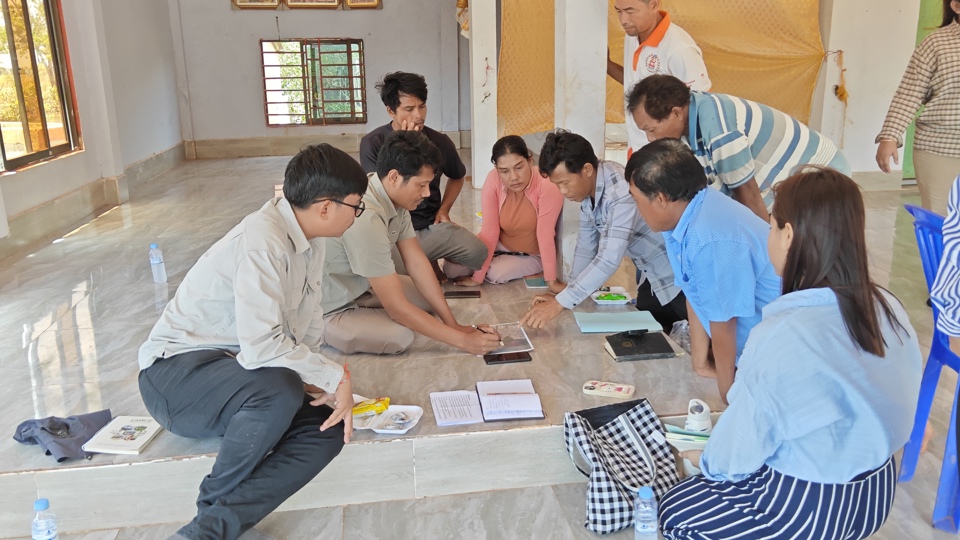
Through a recent household survey and consultations with fishery communities, the Polder User Community, local authorities, and residents, the project’s technical experts assessed priority intervention areas. These areas were identified and mapped via mangrove degradation hotspot analysis, which included identifying the main socioeconomic drivers behind mangrove degradation. The assessment also explored stakeholder perceptions, communication efficacy, livelihood diversification opportunities, and gender dynamics to enhance climate resilience and promote sustainable livelihoods.
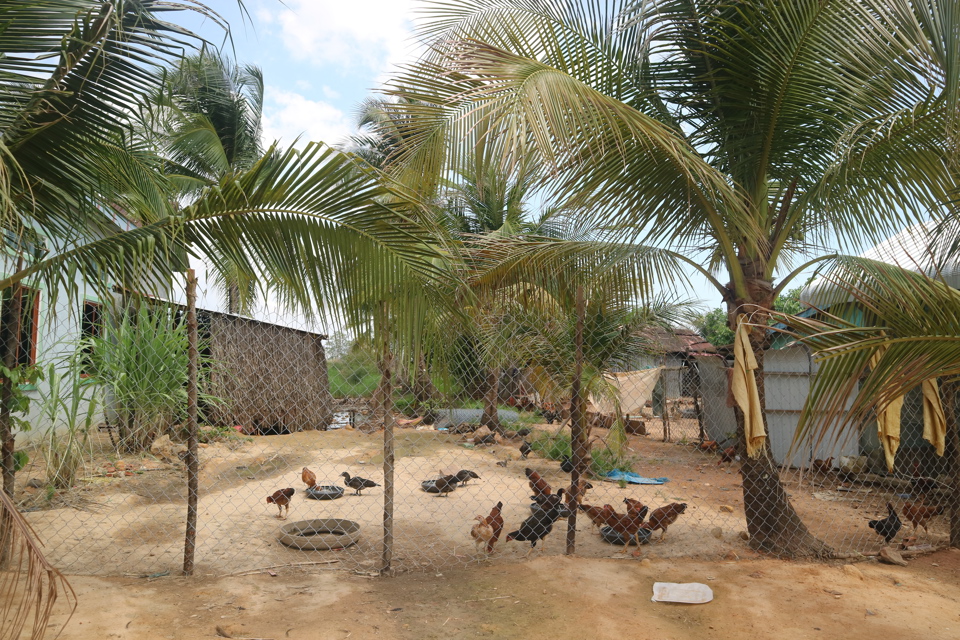
Livelihood diversification is an effective strategy to increase household income and alleviate poverty while promoting environmental conservation. In coastal regions such as Prey Nob District, Preah Sihanouk Province, Cambodia, aquaculture, livestock breeding, and off-farm activities are among the most common livelihood strategies adopted by households. For instance, in the Bek Krong Fishery Community, established in 2005, residents have achieved stable incomes through sustainable natural resource management and diversified livelihoods. According to Mr. Phoeurn Song, the community’s leader, the population currently stands at 1,037 residents, 576 of whom are women. He emphasized that the community’s prosperity stems not only from abundant natural resources—such as mangroves, fish, crabs, blood clams and squid—but also from livelihood diversification efforts, including farming, aquaculture, livestock breeding, and honey harvesting. Crucially, community members do not rely solely on natural resources, thereby reducing pressure on ecosystems while enhancing resilience.